Have questions or need more information about this terminal? Our team is ready to discuss your storage, shipping and logistics requirements.
Rotterdam, Netherlands
Deep-Sea Port & Liquid Bulk Hub
Sea • Pipeline • Road • Rail
Storage • Transhipment • Distribution
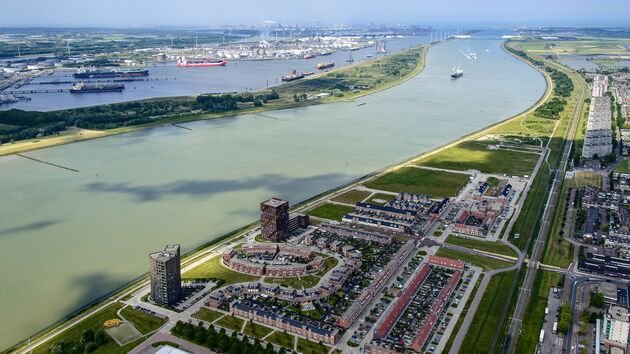
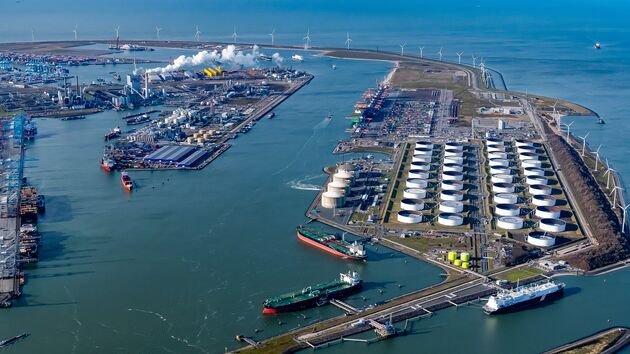
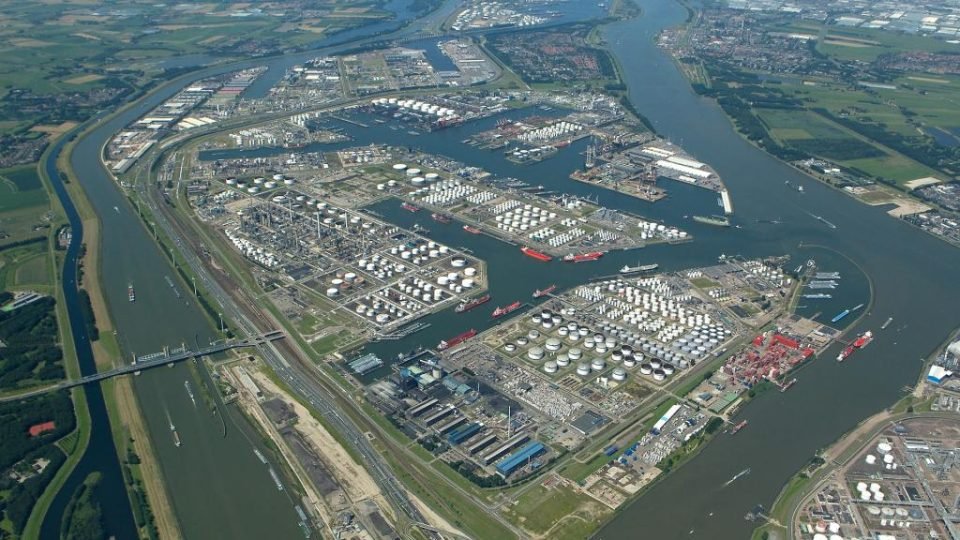
The Port of Rotterdam is Europe’s major deep-sea gateway and an important international hub for the storage, handling and transhipment of liquid bulk products. Its strategic location on the North Sea provides direct maritime access while its extensive hinterland connections link the port with major industrial and commercial markets across Europe.
Rotterdam has a particularly strong position in liquid bulk logistics, handling products including crude oil, mineral oil products, chemicals, biofuels, LNG and edible oils and fats. The port combines maritime access with specialised terminals and large-scale storage infrastructure, supporting import, export, trading and distribution activities.
The port’s extensive pipeline network provides an important connection between terminals, refineries, chemical companies and industrial facilities. More than 1,500 kilometres of pipelines transport liquid bulk products including crude oil, oil products, chemicals and industrial gases, with connections extending into the Netherlands, Belgium and Germany.
For INTERAXCO B.V., Rotterdam Port is especially relevant because of its location in the Netherlands and its strong connection to European storage and shipping markets. The combination of tank storage, maritime transportation, pipeline infrastructure and inland logistics makes Rotterdam an important location within an integrated international cargo network.
635,700 m³ (expandable)
50,000 m³ – 200,000 m³
Mild steel and stainless steel tanks (heated/unheated)
3 deep-sea berths + 2 barge berths
Rotterdam’s strategic position on the North Sea gives it direct access to international maritime trade routes and makes it a major gateway for cargo entering and leaving Europe. Its deep-sea infrastructure and extensive hinterland connections allow cargo to move efficiently between maritime terminals and European markets.
The port is particularly important for liquid bulk and energy logistics. Rotterdam is a leading international location for crude oil, mineral oil products, chemicals, biofuels and other liquid bulk commodities, supported by specialised terminals and extensive storage infrastructure.
Its pipeline network provides another major logistics advantage. Pipelines connect companies and terminals within the port and extend to industrial destinations in the Netherlands, Belgium and Germany, providing an efficient route for liquid bulk and industrial products.
Rotterdam’s combination of maritime access, tank storage, industrial infrastructure and multimodal transport connections makes it a strong location for international storage and shipping requirements. For INTERAXCO B.V., the port also provides a natural connection to the company’s Netherlands-based logistics focus and wider European cargo movements.