Have questions or need more information about this terminal? Our team is ready to discuss your storage, shipping and logistics requirements.
Houston, Texas, USA
Deep-Water Port & Energy Gateway
Sea • Pipeline • Road • Rail
Liquid Bulk • Dry Bulk • General Cargo
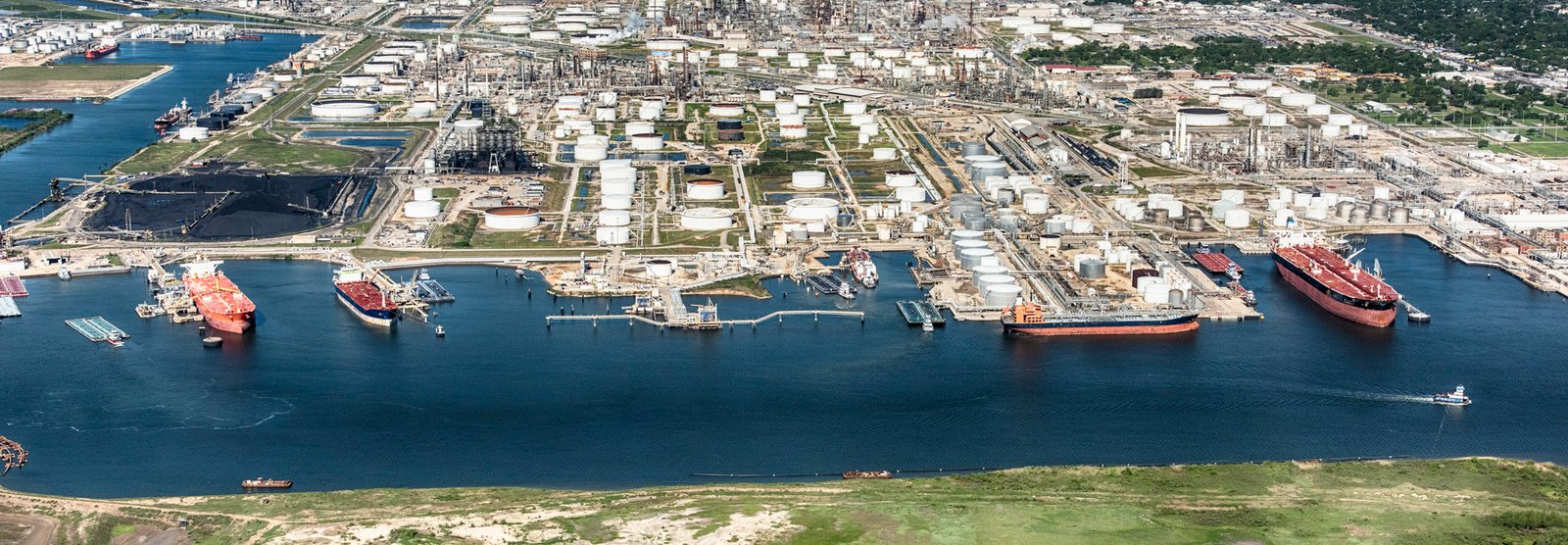
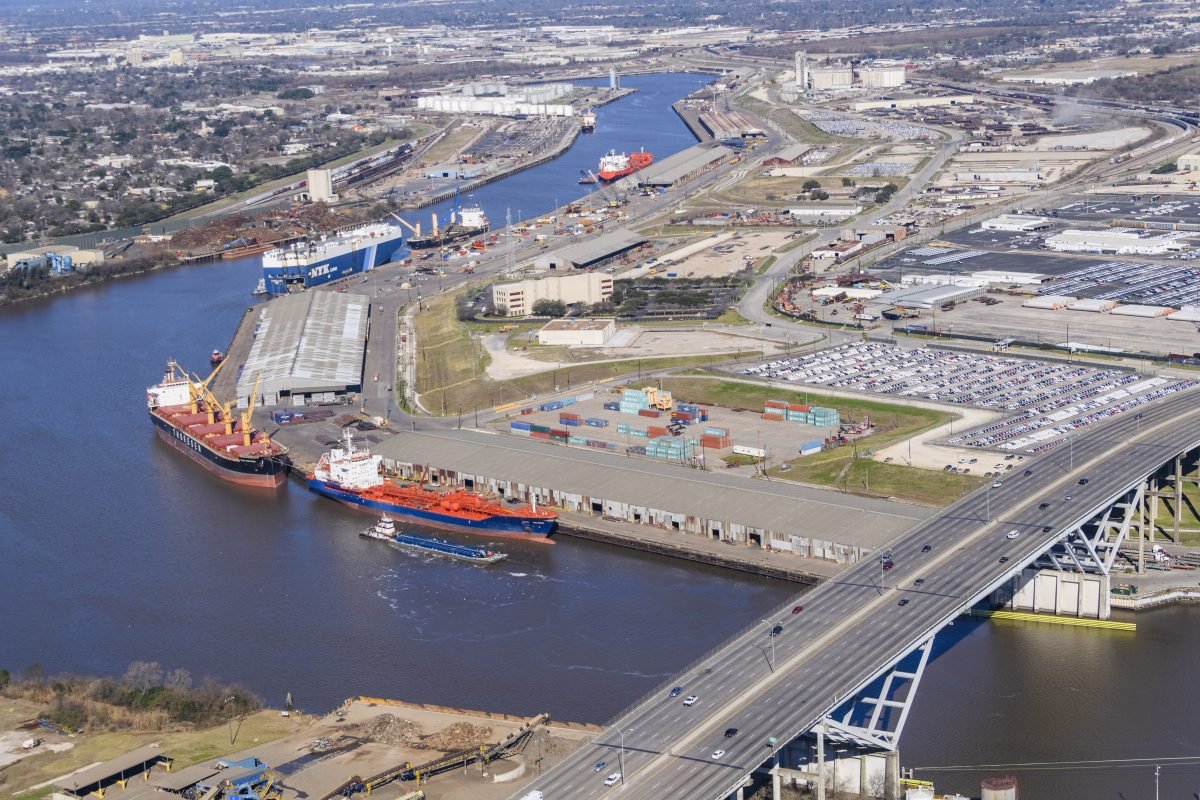
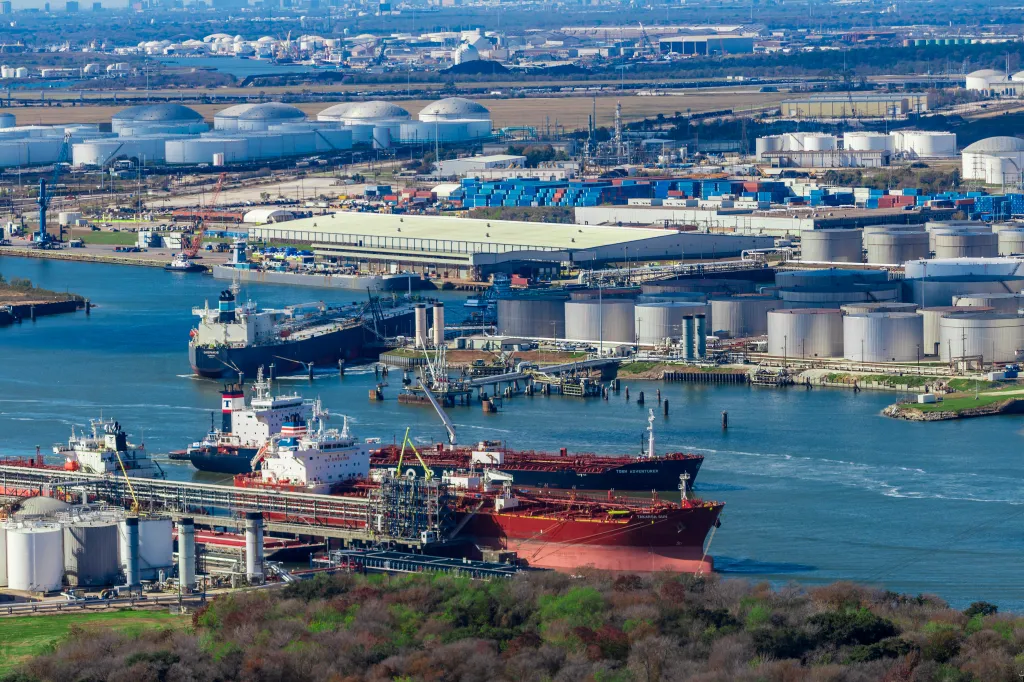
Houston Port, together with the Houston Ship Channel, forms one of the most important maritime and energy gateways in the United States. Located on the Texas Gulf Coast, the port connects international shipping routes with the extensive industrial and energy infrastructure of the Houston region.
The Houston Ship Channel region has a particularly strong position in energy logistics. Crude oil and refined petroleum products account for more than half of the tonnage moving through the wider Houston Ship Channel region, reinforcing its importance to the U.S. energy supply chain.
Port Houston’s multipurpose facilities support a wide range of cargo operations, including liquid bulk, dry bulk, breakbulk, project cargo, steel and heavy-lift cargo. This diversified infrastructure enables the port to serve different industries while maintaining strong connections to maritime and inland transportation networks.
For INTERAXCO B.V., Houston Port represents an important international logistics location within the U.S. Gulf Coast market. Its combination of maritime access, energy infrastructure, cargo terminals and inland transportation connections makes it relevant to wider storage, shipping and cargo logistics requirements.
970,000 m³ (expandable)
50,000 m³ – 200,000 m³
Mild steel and stainless steel tanks (heated/unheated)
3 deep-sea berths + 4 barge berths
Houston Port benefits from its strategic position along the U.S. Gulf Coast and its direct connection to the Houston Ship Channel. This location provides access to major maritime trade routes while connecting international cargo with one of the largest industrial and energy regions in the United States.
Energy logistics is one of the defining strengths of the Houston Ship Channel region. The area supports significant movements of crude oil and refined petroleum products, while its wider industrial base includes petrochemical and manufacturing operations that depend on efficient maritime and inland logistics.
Port Houston’s multipurpose and breakbulk facilities provide capabilities for liquid and dry bulk, steel, project cargo, vehicles and heavy-lift operations. The diversity of cargo facilities allows the port to support a broad range of commercial and industrial supply chains.
The wider Houston logistics network also provides connections through road, rail and maritime transportation. Together with the extensive industrial infrastructure surrounding the Houston Ship Channel, these connections support the movement of cargo between international markets, terminals and inland destinations.